


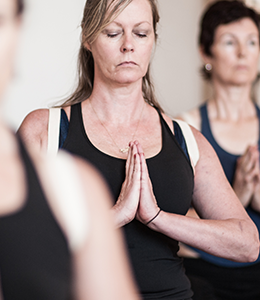
When most people think of yoga, the first thing that comes to mind is moving through postures on a mat. But yoga is much more than physical movement. One of the quieter, more meditative branches of yoga is Kriyā Yoga—a practice designed to calm the mind, balance your energy, and help you connect more deeply with yourself.
Kriyā Yoga uses a combination of breathing techniques, hand gestures, sound, and visualization to turn the focus inward. Instead of stretching the muscles, this practice gently stretches the mind—teaching it to let go of distractions and rest in stillness.
It may sound mysterious, but at its heart Kriyā Yoga is very simple: use the breath and body to quiet the mind, and from there, you naturally drop into a deeper meditation.
Here are a few of the main tools used in practice:
Breathwork (Pranayama): Focused breathing that calms the nervous system and clears the mind.
Mudras: Hand gestures or simple body positions that help direct energy and attention.
Visualization: Guided awareness of energy moving along the spine and through the chakras (energy centers).
Chanting: The use of sound and vibration to create focus and inner harmony.
Each of these can be practiced on their own, but when woven together, they form the heart of Kriyā Yoga.
Kriyā Yoga offers benefits for both body and mind:
Less stress and more calm
Sharper focus and mental clarity
A natural boost of energy
A deeper meditation practice
A growing sense of connection with your inner self
Join Breathe Yoga for its upcoming workshop Introduction to Kriya Yoga. with Breathe Instructor Riva to learn the basics and explore its wide benefits.
Svitlana September 25th, 2025
Posted In: Uncategorised
SOMATIC PRACTICES are mind-body practices which focus on working, or partnering, with our
nervous system. These simple, evidence-based practices (e.g. movement, grounding, box
breathing, self-hug, shaking, re-bounding, humming, singing, being in nature) can help
release physical and emotional tension which can get stuck in the body and nervous system.
CENTRAL TO SOMATIC APPROACHES to well-being is Polyvagal Theory, developed by Dr. Stephen
Porges. It explains how the human nervous system has evolved to enable us to survive in
moments of danger (through our fight/flight or freeze response) and to thrive in times of safety
(through our social engagement/connection/ventral vagal system).
POLYVAGAL THEORY explains that our “threat response “or survival system is built for short-term
use to defend against a perceived threat to our life (e.g. a tiger in the jungle). When we
perceive threat (often an unconscious & automatic process based on past experiences), our
body responds by activating the fight/flight/freeze branch of the nervous system (e.g.
escalating the heart rate, releasing adrenaline, increasing blood flow to the muscles and
enhancing oxygen uptake) while simultaneously shutting down other functions (e.g. digestion,
elimination, rest, social engagement), which take energy from the more immediate need to
fight/escape danger. Once the perceived threat has passed, the nervous system is designed
to move back into a state of regulation (e.g. feeling calm, connected and curious).
AND YET IN TODAY’S WORLD of constant stimulus, pressure, endless “to do’s “, and stressful or
traumatic events, our systems can become stuck “ON” in fight/flight or “OFF” in freeze mode.
In these states, we lose our ability to feel safe, calm and connected to ourselves, to others, to
the world around us and to spirit. We continue to feel anxious, agitated, angry or lethargic,
detached and depressed. Often, we swing between these dysregulated states.
THE GOOD NEWS IS we can learn how to befriend our nervous system and cultivate a place of
safety and stability from within. With somatic practices we are gently working to bring
flexibility and flow back to the nervous system. With flexibility restored we are more easily
able to return to state of regulation following a big challenge or particularly stressful situation.
In addition, over time, and with practice, it is possible to increase our capacity to experience a
wider range of life – taking on more excitement, goals and challenges and having capacity to
be with difficult experiences without shutting down, tuning out or disassociating.
Please join me in our upcoming Somatic Skills Workshop, on October 4, 1:30-4:30 pm at
Breathe Yoga Studio, where we will bring the theory into practice.
 Trish Sullivan has been practicing and teaching yoga and meditation for over 20 years. She is a Registered Yoga Teacher (RYT200) with an additional certification in Trauma Informed Yoga and Somatics (100 hrs). She has also earned her certification as a Mindfulness Based Stress Reduction (MBSR) facilitator and has been leading courses, workshops and trainings for the past 8 years in mindfulness and body based practices to facilitate living with greater ease and well being. Trish leverages evidence-based tools and the ability to create a compassionate container to support individual learning and growth. Trish’s passion for teaching comes from experiencing the benefits of yoga, mindfulness and somatic practices in her own life. She loves to share her learning and to be in community with other seekers. Trish has recently completed a 3 year Somatic Experiencing Practioner (SEP) training program and is working towards her final certification as an SEP.
Svitlana September 24th, 2025
Posted In: Uncategorised
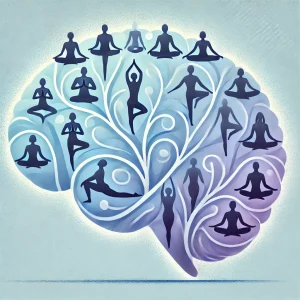
Yoga is widely recognized for its physical benefits, but its impact on mental well-being is just as profound. Regular practice can lead to improved brain function, emotional balance, and resilience.
Key Benefits of Yoga on the Brain:
As noted in the Toronto Sun article Yoga For The Brain, “Yoga has been shown to increase gray matter in the brain, which is associated with better memory and emotional regulation.”
Incorporating yoga into your routine is a simple yet powerful way to support both your body and mind.
Svitlana February 20th, 2025
Posted In: Uncategorised
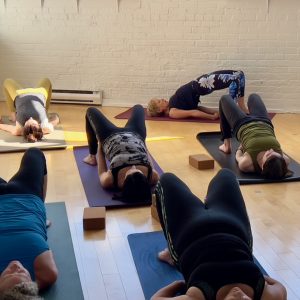
Backbending is a fundamental aspect of yoga that offers profound benefits for both physical and mental health. As we arch our backs and open our hearts, we engage in a practice that not only enhances flexibility and strength but also promotes the release of essential fluids that nourish the spine and brain. This article explores the holistic advantages of backbending, particularly its impact on spinal health and brain function.
One of the less discussed but crucial benefits of backbending is its impact on the release and circulation of essential fluids within the body, particularly those associated with spinal health.
The benefits of backbending extend beyond the physical realm, positively impacting mental and emotional well-being.
Backbending in yoga is a powerful practice that offers a multitude of benefits for overall well-being. By enhancing spinal flexibility, strengthening core muscles, and promoting better posture, practitioners lay the groundwork for a healthier spine. Coupled with the stimulation and release of essential fluids such as cerebrospinal fluid, synovial fluid, and improved blood circulation, backbending supports not only spinal health but also brain function.
As we engage in this transformative practice, we not only nurture their physical bodies but also cultivate mental clarity and emotional resilience. Whether you are a seasoned yogi or a beginner, incorporating backbending into your routine can be a significant step toward achieving holistic well-being.
New to Yoga and want to learn backbending? Join our Yoga Basics course, a 4 week introduction to Yoga.
Are you a seasoned yoga practitioner who want to delve deeper into backbends? The best place to do this in regularly scheduled classes is Mysore classes
Svitlana February 1st, 2025
Posted In: Uncategorised
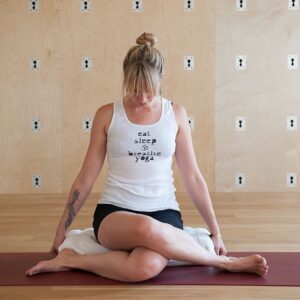
In a world that often moves at breakneck speed, slowing down can feel like a luxury. Amidst the chaos of modern life, finding moments of stillness becomes invaluable. This is where Yin yoga emerges as a haven—a practice that beckons us to linger, to soften, and to embrace the art of surrender.
Yin yoga is a gentle, meditative practice that involves holding passive yoga poses for extended periods, typically ranging from one to five minutes or even longer. Unlike more dynamic forms of yoga, Yin focuses on relaxing the muscles to access deeper layers of connective tissue, primarily targeting the fascia, ligaments, and joints.
Bernie Clark, a renowned Yin yoga teacher, emphasizes three fundamental principles that define the essence of this practice:
The practice of Yin yoga offers a multitude of benefits beyond physical flexibility. It serves as a gateway to self-awareness and inner peace, providing a sanctuary from the frenetic pace of modern life. Through gentle yet profound stretches and mindful meditation, Yin yoga invites practitioners to cultivate patience, resilience, and a deeper understanding of their bodies.
In essence, Yin yoga extends an invitation to embrace stillness, to listen to the whispers of the body, and to discover tranquility within. It’s a practice that not only nurtures physical well-being but also nurtures the soul, inviting a harmonious balance between effort and ease in our lives.
So, if you seek a gentle yet transformative practice that nourishes both body and mind, consider delving into the serene world of Yin yoga. Allow yourself the gift of stillness and exploration, and you might just discover a profound sense of peace and balance in the process.
Svitlana November 28th, 2023
Posted In: Uncategorised
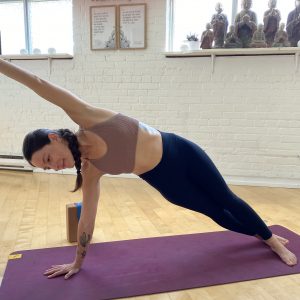
Unveiling the Power of Pilates: A Perfect Complement to Your Yoga Practice
Are you curious about Pilates? Wondering how it can transform your fitness routine and enhance your yoga practice? Let’s dive into the world of Pilates, explore its effectiveness as a form of exercise, and discover how it seamlessly complements your yoga journey.
What is Pilates?
Pilates, developed by Joseph Pilates in the early 20th century, is a comprehensive mind-body exercise system designed to improve physical strength, flexibility, balance, and overall well-being. It’s not just a workout; it’s a holistic approach to wellness. Pilates exercises focus on core strength, breathing, and controlled movements, emphasizing precision and control.
Why is Pilates an Effective Form of Exercise?
How Can Pilates Complement Your Yoga Practice?
Pilates and yoga share some fundamental principles, which is why they make such a dynamic duo:
By incorporating Pilates into your fitness routine, you’ll find a perfect companion for your yoga practice. The balance between the two can lead to a stronger, more flexible, and harmonious you, both physically and mentally. Whether you’re an experienced yogi or just starting your wellness journey, Pilates offers a path to total well-being that’s worth exploring.
Svitlana October 31st, 2023
Posted In: Uncategorised
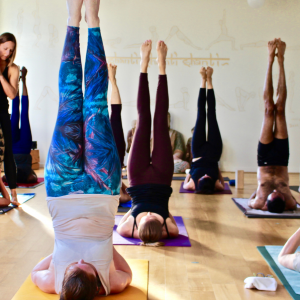
by Svitlana Nalywayko, Breathe Co-Owner and Mysore Teacher
If you’re like so many Ashtanga/Mysore practitioners who understand the massive rewards that a daily practice brings, yet sometimes face mental roadblocks to getting onto our mat every day, join the club.
The practice asks a lot from us. It demands that we drag ourselves out of bed at ungodly hours, show up to class, and then contort our bodies in all sorts of directions that may not always feel cooperative. It insists we keep our focus on our breath and drishti, not allowing our minds to wander. And then, it requests that we do it all over again the next day, and the next, and the next.
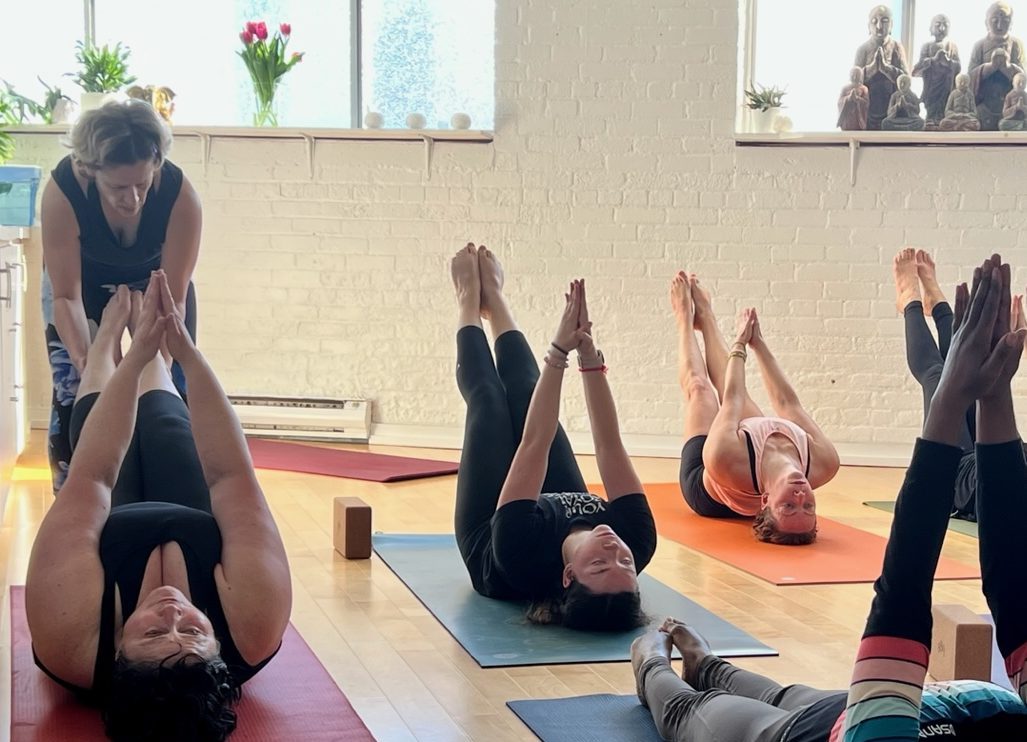
Join Breathe Yoga’s Mysore Community – a welcoming and fun community of avid practitioners. If you’re new to Mysore, sign up for our 5 class Beginner package and you’ll be on your way. Sign up here. We look forward to meeting you!
Svitlana October 11th, 2023
Posted In: Uncategorised
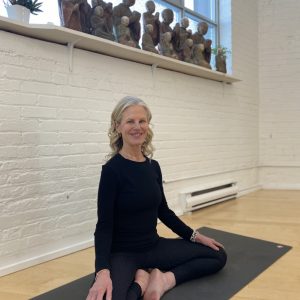
Are you feeling overwhelmed by the hustle and bustle of daily life? Mindfulness meditation might be the key to finding your inner calm and managing stress and anxiety. Let’s explore the benefits of this practice, and don’t miss our 4-week Intro to Mindfulness Meditation Workshop with Trish Sullivan
Don’t let stress and anxiety control your life. Take the first step towards a calmer, more focused you by enrolling in our 4-week workshop. Click Here to Reserve Your Spot today and discover the power of mindfulness meditation.
Svitlana September 29th, 2023
Posted In: Uncategorised
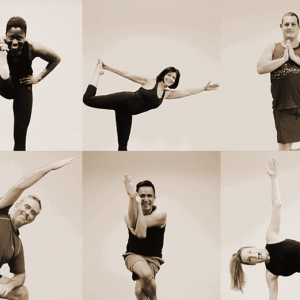

Ashtanga Yoga is a dynamic and physically demanding style of yoga that was developed by Sri K. Pattabhi Jois. It is often referred to as “Ashtanga Vinyasa Yoga.” This style follows a specific sequence of postures (asanas) that are linked together in a flowing manner, synchronized with the breath. The practice is designed to build strength, flexibility, endurance, and mental focus.
The primary series of Ashtanga Yoga consists of a set sequence of poses that become progressively more challenging. Practitioners are expected to memorize and master each posture before moving on to the next. Ashtanga Yoga places a strong emphasis on the use of specific breathing techniques (ujjayi breath) and internal energy locks (bandhas) to enhance the practice and create a moving meditation.

The frequency of practice varies depending on individual goals, fitness level, and schedule. Ashtanga Yoga is physically demanding, and beginners may need to start with a more manageable practice schedule. Here are some general guidelines:
It’s important to listen to your body, avoid pushing yourself too hard, and allow for proper rest and recovery. Practicing under the guidance of a qualified instructor is highly recommended, especially for beginners, to ensure proper alignment and reduce the risk of injury.
The best place to start an Ashtanga practice is either in our Half Primary Ashtanga Class where the group class is led by a teacher or in beginner Mysore classes where students receive one on on one guidance from the instructor. Either can be booked on our schedule page. We look forward to helping you start on your Ashtanga journey!
Svitlana August 19th, 2023
Posted In: Uncategorised
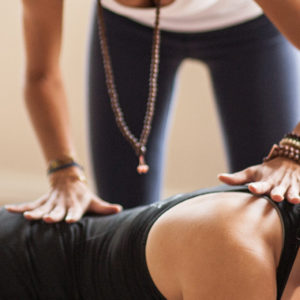
Yoga, an ancient practice that originated in India, has gained immense popularity worldwide for its transformative effects on physical, mental, and spiritual well-being.
Among the various yoga styles, Mysore Style Yoga stands out as a traditional and self-paced approach that allows practitioners to develop a personalized and sustainable practice. This essay explores the origins, key characteristics, and benefits of Mysore Style Yoga, shedding light on its unique contributions to the yoga world.
Origins and Key Characteristics: Mysore Style Yoga derives its name from its place of origin, Mysore, a city in southern India renowned for its rich yogic heritage. This style was developed by the revered yogi Sri K. Pattabhi Jois, who integrated ancient yoga teachings with his own experiences and teachings from his guru, Sri T. Krishnamacharya. Pattabhi Jois devoted his life to spreading the benefits of Ashtanga Yoga, the foundation of Mysore Style.
Unlike conventional yoga classes led by instructors, Mysore Style Yoga empowers practitioners to explore and progress through the Ashtanga Yoga series at their own pace. The class setting resembles a self-practice environment, where students engage in a structured sequence of asanas (poses) at their own rhythm, while the teacher provides individualized guidance, adjustments, and modifications.

Mysore Style Yoga offers a unique and enriching approach to yoga practice, empowering individuals to embark on a transformative journey of self-discovery and holistic well-being. By providing a personalized, self-paced experience, this traditional style facilitates a deep connection between the mind, body, and spirit. Through regular practice, practitioners can reap the physical, mental, and spiritual benefits of Mysore Style Yoga, unlocking their full potential on and off the mat. As the popularity of this style continues to grow, may more individuals embrace this time-honored tradition and experience the profound positive changes it can bring to their lives.
If you’re new to Mysore style of yoga, then please join our beginner class series where you will be taught the sequence one on one (this is akin to having your own private class!) . Please sign up here on our schedule page or go straight to our online store
Svitlana June 26th, 2023
Posted In: Uncategorised
