


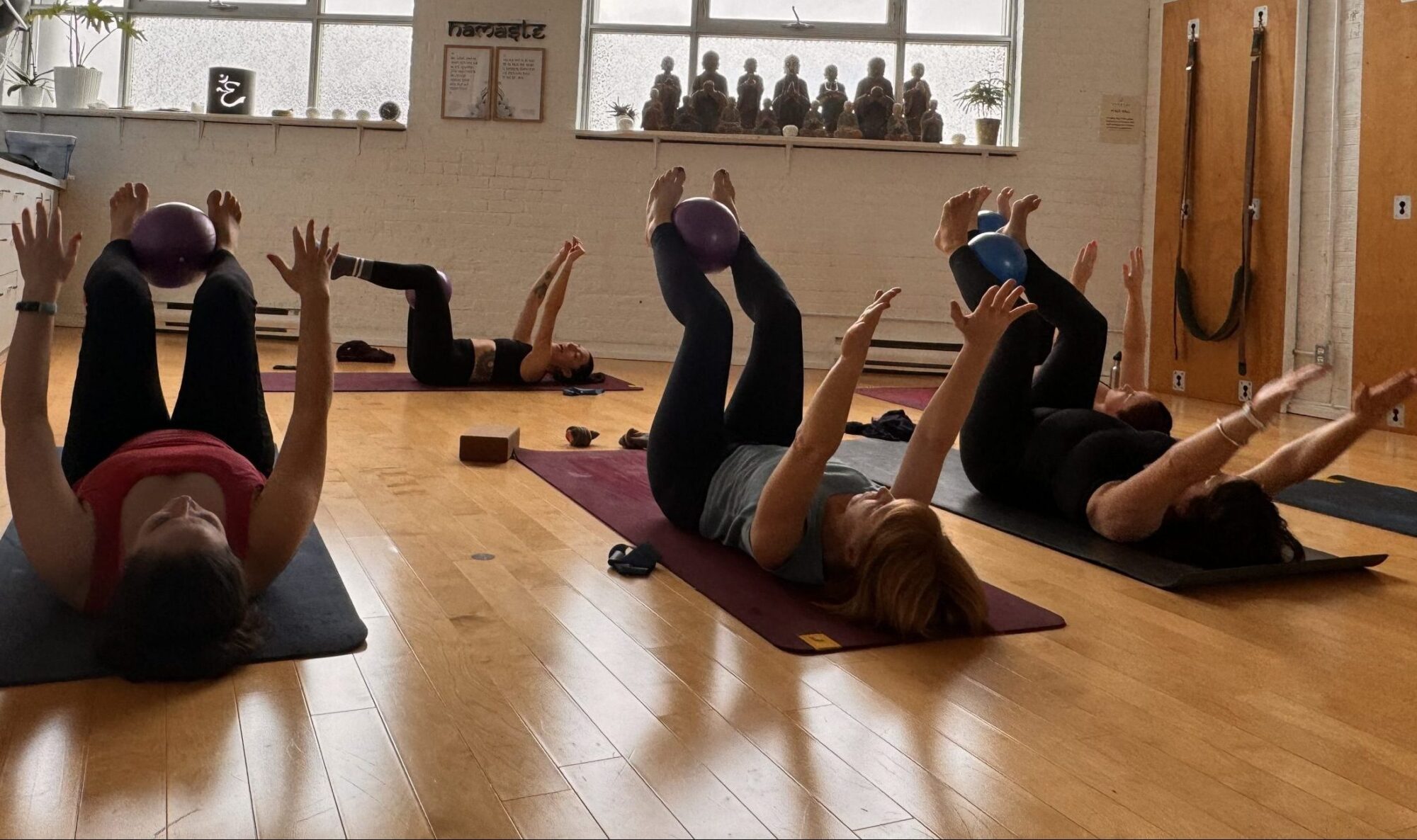
The best weekend Pilates classes Toronto has to offer do more than fill an open hour in your calendar. They give your body a chance to reset after a desk-bound week, build strength without harsh impact, and return to Monday feeling steadier rather than depleted. For many people, that hour becomes a small but meaningful ritual: time away from notifications, demands, and the pressure to always be productive.
Pilates is especially well suited to the weekend because it meets you where you are. You may arrive feeling stiff from commuting, tired from a demanding workweek, or ready to move with more focus than a rushed weekday schedule allows. A well-taught class can provide challenge and calm in the same session, helping you reconnect with breath, alignment, and the quiet confidence that comes from moving well.
Why Pilates belongs in your weekend routine
Weekend movement does not need to be an all-or-nothing workout. There is a place for a long run, a cycling class, or a strength session that leaves you pleasantly tired. But Pilates offers a different kind of value: intelligent, deliberate work that builds capacity over time.
At its foundation, Pilates develops core support, postural awareness, mobility, balance, and controlled strength. The work asks you to pay attention to how you move, not simply how much you do. That attention can be particularly useful for people who spend long hours sitting, those returning to exercise after a break, and experienced athletes looking to support the rest of their training.
A weekend class also gives you room to practise without rushing. Instead of squeezing movement between meetings, you can arrive a few minutes early, settle in, and let the session be part of a more spacious day. Some students pair Pilates with a walk through the neighbourhood, a nourishing breakfast, or a restorative yoga class later in the weekend. The point is not to create a perfect wellness itinerary. It is to make movement feel sustainable enough that it stays with you.
What to expect from weekend Pilates classes in Toronto
Toronto offers plenty of fitness choices, so the right Pilates class depends on your goals, experience, and preferred environment. Some classes are fast-paced and fitness-forward. Others focus more closely on form, breath, and progressive skill-building. Neither approach is automatically better. The question is whether the teaching style supports the way you want to feel and move.
In a thoughtful mat Pilates class, you can expect exercises that strengthen the deep abdominal muscles, hips, glutes, back, and shoulders while asking for mobility through the spine and joints. The movements may look small, but precise work can be surprisingly demanding. An experienced teacher will offer clear cues, options for different bodies, and reminders that help you find effort without gripping or forcing.
At Breathe Yoga Studio, Pilates sits within a wider approach to whole-body wellness. The studio’s experienced teachers understand that strength, recovery, stress regulation, and mobility all influence one another. That perspective can be reassuring if you are looking for more than a one-size-fits-all workout, whether you are brand new to Pilates or returning to a practice you once loved.
Mat Pilates is not “easier” Pilates
Mat-based classes are sometimes misunderstood as a gentler alternative to equipment-based Pilates. In reality, the mat can be a powerful place to build strength because your body is working against gravity with fewer external supports. A class may use small props such as balls, bands, or blocks, but the emphasis remains on control, coordination, and purposeful movement.
If you are new, look for a class described as beginner-friendly, foundational, or all levels. These sessions typically allow more time for setup and technique. If you already have experience, a stronger or more dynamic class may be a satisfying option, provided it still values alignment over speed. Progress in Pilates is not measured only by harder exercises. It can also look like smoother breathing, better balance, or noticing that your shoulders no longer creep toward your ears.
How to choose a class that supports your body
Before booking, consider what you need from the session that day. If your goal is general strength and better posture, a balanced mat Pilates class may be ideal. If you are carrying tension, recovering from an intense training week, or feeling run down, choose a gentler format or balance Pilates with restorative movement. Recovery is part of training, not a reward you earn after pushing through exhaustion.
It also helps to consider class size and instructor attention. In a smaller studio setting, a teacher can more easily offer modifications and help you understand the intent of an exercise. This matters for beginners, but it is equally valuable for experienced students. Familiarity with Pilates does not remove the need for good feedback. Bodies change, old patterns return, and a skilled cue can make a familiar movement feel entirely new.
If you have an injury, persistent pain, are pregnant, or are managing a health condition, speak with an appropriate health-care professional before beginning a new exercise program. Then let your instructor know what is relevant before class begins. Pilates can often be adapted, but an instructor needs enough context to offer useful options. Pain is not a signal to ignore in the name of a stronger workout.
A simple first-class plan
For your first weekend session, arrive with enough time to settle in rather than rushing through the door. Wear comfortable clothing that lets you move freely, and bring water. Many studios provide mats and props, though it is always wise to check the class details before you go.
Give yourself permission to take breaks and choose modifications. You do not need to match the range of motion, pace, or repetitions of the person beside you. Pilates rewards consistency and awareness more than performance. Leaving a little energy in reserve is often a better choice than working so hard that you cannot return next week.
After class, notice how you feel later that day and the following morning. Are you energized, more mobile, pleasantly worked, or unusually sore? Those observations can help you choose the right level next time. A good class may challenge you, but it should not leave you feeling disconnected from your body.
Building a weekend practice that lasts
One Pilates class can make you feel more upright and present. The deeper benefits come from repetition. That does not mean you need to attend every Saturday and Sunday or overhaul your schedule. For many people, one consistent weekend session is enough to establish momentum.
Try reserving the same time each week for a month. Treat it as an appointment with yourself, but stay flexible when life gets busy. If you miss a class, avoid the familiar cycle of guilt followed by abandoning the routine altogether. Simply return when you can. Sustainable wellness is built through recommitment, not perfection.
Pilates also works beautifully alongside other forms of movement. Runners may appreciate the emphasis on hip stability and trunk control. Lifters can benefit from mobility and greater awareness of spinal position. Yoga practitioners often find that Pilates adds a useful dimension of targeted strength, while Pilates students may enjoy yoga’s opportunities for breathwork, stillness, and longer-held mobility. The right combination depends on your energy, training load, and personal goals.
For those navigating low energy, changing body composition, or concerns about metabolic health, movement is only one piece of the picture. Sleep, nutrition, stress, recovery, and medical support matter too. A personalized, science-informed approach can be more helpful than trying to out-exercise symptoms or follow another generic plan.
Questions people often ask before booking
Do I need Pilates experience?
No. A beginner-friendly or all-levels class is designed to introduce the foundations. Let the teacher know that it is your first class, and focus on learning rather than getting every detail right immediately.
How often should I attend?
Once a week is a meaningful starting point. If you enjoy the practice and your body responds well, adding another class can help you build familiarity and strength. Consistency matters more than intensity.
Will Pilates help with back discomfort?
Pilates can support postural awareness, core strength, and mobility, all of which may be useful for some people with back discomfort. However, the cause of back pain varies. Seek guidance from a qualified health-care provider for persistent, severe, or unexplained pain, and choose class options that feel supportive rather than provocative.
What if I am not very flexible?
You do not need flexibility to begin. Pilates is a practice for developing better movement options, not a test you must pass before joining. Work within a range that feels stable, breathe steadily, and allow progress to be gradual.
A weekend Pilates practice can become an oasis in the middle of a full Toronto life: one hour to strengthen what supports you, soften what is holding too much, and leave with more room to breathe. Book the class that meets you honestly where you are, then let small, steady practice carry the rest.
