


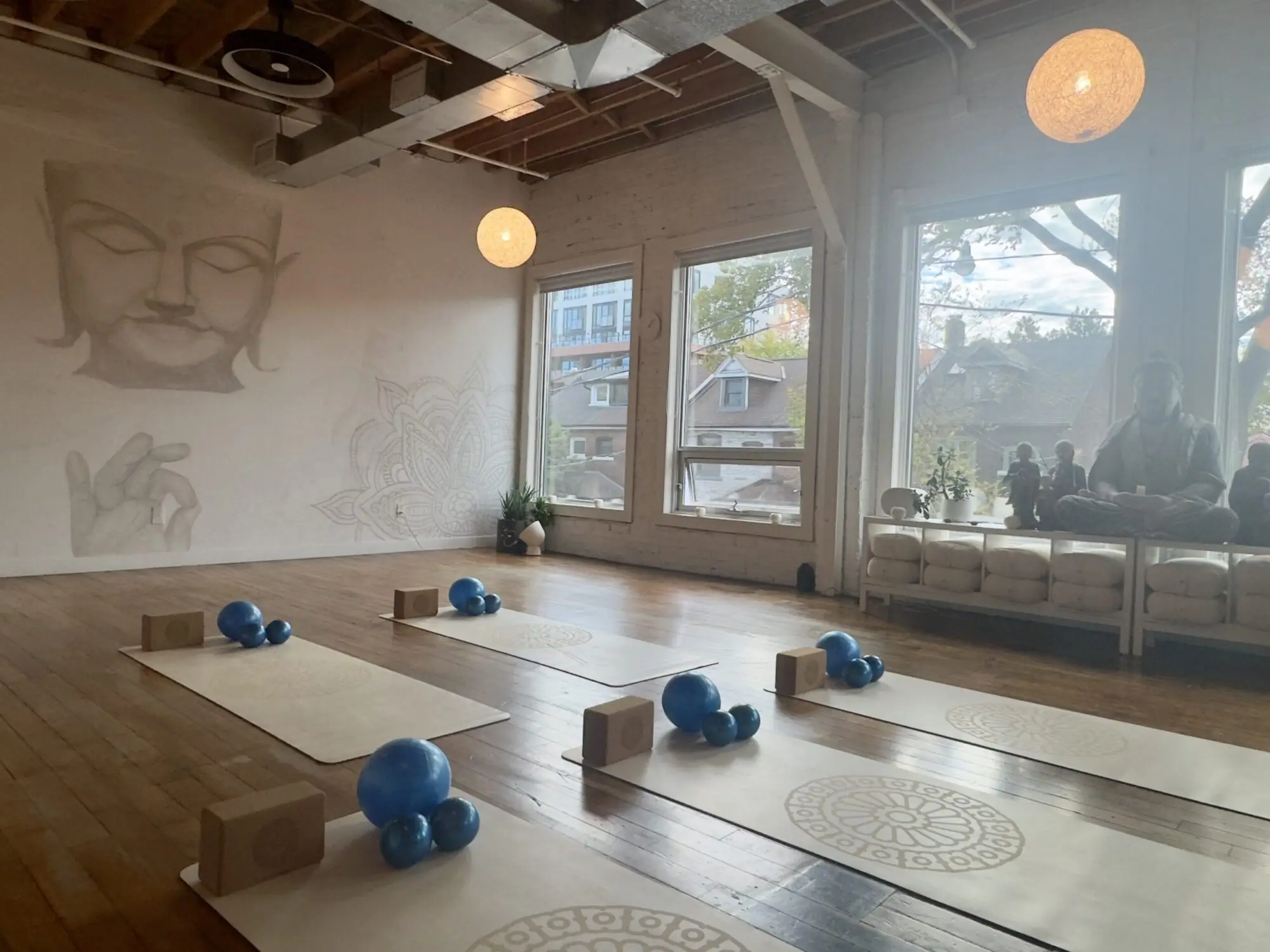
The first few minutes before class can shape your whole experience. Arriving rushed, uncertain about what to wear, or worried that you will not know the poses can make even a gentle practice feel intimidating. Knowing how to prepare for yoga class gives you room to settle, breathe, and receive the benefits of your time on the mat.
You do not need a particular body type, flexibility level, or expensive collection of gear to begin. You do need a little practical planning and the willingness to meet yourself where you are. A well-prepared student is not the person who performs every posture perfectly. It is the person who arrives present, communicates honestly, and makes choices that support their body.
How to Prepare for Yoga Class Before You Leave Home
Start by choosing a class that matches your energy, experience, and intention for the day. If you are new to yoga, a beginner-focused class offers clear instruction and a confidence-building pace. If you have practised before but have had a demanding week, restorative yoga may serve you better than a vigorous flow. A strength-focused yoga or Pilates class can be a wonderful fit when you want to feel challenged and supported.
This is not about avoiding challenge. It is about choosing the kind of challenge that is useful right now. A class that leaves you grounded and capable is often more valuable than one that asks too much of your nervous system on a particular day.
Eat for comfortable movement
Try not to arrive either overly hungry or uncomfortably full. For most people, a light meal one to two hours before class works well. Think of something familiar and easy to digest, such as yoghurt and fruit, toast with nut butter, oatmeal, or a small bowl of rice and vegetables.
A more vigorous practice, including Ashtanga, can feel unpleasant after a heavy meal. On the other hand, practising with no fuel at all may leave you light-headed or distracted. Your ideal timing depends on your digestion, the class style, your schedule, and any health considerations. Notice what helps you feel stable rather than following a rigid rule. A general rule is to eat more than 2 hours ahead of class.
Hydrate through the day, then take a few sips before class if you are thirsty. There is no need to overdo it immediately before practice. A very full stomach or bladder can make twists, folds, and breathwork less comfortable.
Wear clothing that lets you breathe and move
Choose clean, comfortable clothes that allow your body to move freely. Stretchy leggings, shorts, joggers, a fitted T-shirt, or a tank top all work well. In a flow class, clothing that stays reasonably in place can help you focus rather than constantly adjusting it. For restorative yoga, layers are especially helpful because your body can cool down while you rest.
Yoga is usually practised barefoot to help you feel connected and stable through your feet. If you prefer coverage, grippy socks may work for a gentle class, though bare feet are generally safer for standing postures. Bring a light sweater or long-sleeved layer for the beginning and end of class, particularly during Toronto’s colder months.
You do not need to look a certain way to belong in the room. Choose what makes you feel at ease.
What to Bring to a Yoga Class
If you have your own mat and enjoy using it, bring it. A familiar mat can make your practice feel more personal, especially when you are building a routine.Otherwise we have mats available free of charge – we just ask that you clean it thoroughly after use with provided mat cleaner.
A simple class bag may include:
- Your own yoga mat, if preferred.
- A metal water bottle (no glass allowed in the studio)
- A small towel for a more active class + to cover your props
- A warm layer for rest and relaxation
Please avoid wearing strong perfumes or any heavily scented products. Yoga rooms are shared spaces, and close proximity can make fragrances distracting or uncomfortable for others. If you are coming from work, a quick change of clothes and a few quiet minutes before class can help mark the transition from a busy day to your practice.
Arrive Early Enough to Land
For a first visit, plan to arrive 10 to 15 minutes early. This gives you time to check in, put away your belongings, find the washroom, and get settled without feeling watched or rushed. It also gives the teacher an opportunity to welcome you and answer a practical question before the room becomes quiet.
Once you know the studio, arriving five to 10 minutes ahead is usually enough. Try to avoid entering after class has begun unless the studio policy permits it. Early arrival is not just etiquette. It is a small act of care that allows your breathing and attention to catch up with your body.
At Breathe Yoga Studio, small-class settings create more opportunity for thoughtful support, but it still helps to give yourself time to arrive. Let the studio become a brief sanctuary between the demands of the street and the demands you may be carrying inside.
Tell your teacher what they should know
Before class begins, quietly let the teacher know if you are pregnant, returning after time away, managing an injury, recovering from surgery, or living with a condition that may affect movement, balance, or breath. Mention relevant concerns such as wrist sensitivity, low-back pain, dizziness, high blood pressure, or recent strain.
You do not need to share your full health history. A short, direct conversation is enough: “My right shoulder is recovering, so I may need options for weight-bearing poses.” This allows an experienced teacher to offer modifications, suggest props, or advise you when it is wiser to rest.
If pain appears during class, stop and reassess. Sensation from a gentle stretch or muscular effort can be appropriate. Sharp pain, pinching, numbness, or instability is not something to push through. Yoga is not a test of endurance.
Set Up Your Mat With Intention
Place your mat where you can see the teacher if you are new, while still giving yourself enough space to move comfortably. If the room is busy, leaving a respectful gap between mats helps everyone practise with ease. Set your water bottle and any props neatly beside your mat, rather than at its front edge where they may become obstacles.
Props are not a sign that you are less advanced. Blocks can bring the floor closer in standing folds and support steadier alignment. A strap can make poses more accessible without forcing range of motion. Bolsters and blankets help the body release into restorative shapes. The right prop can turn a pose from strained to sustainable.
If you are unsure how to use something, ask. It is far more useful to learn a supportive setup than to imitate a shape that does not suit your body.
Prepare Your Mind, Not Just Your Bag
A yoga class may be one of the few parts of your day that does not ask you to respond to messages, make decisions, or prove your productivity. Give yourself permission to arrive as you are. You do not need to manufacture calm before you walk in. Restlessness, fatigue, grief, enthusiasm, and distraction are all human starting points.
Consider setting a simple intention as you unroll your mat. It could be to breathe more slowly, move with patience, listen to your shoulders, or take one full hour without judging yourself. An intention is not a performance goal. It is a quiet reminder of how you want to relate to the practice.
If meditation or stillness feels uncomfortable, that is information, not failure. Start with the physical experience: feel your feet on the floor, notice the movement of your ribs, and allow the teacher’s guidance to bring you back when your mind wanders.
Know What to Expect in Your First Class
Most classes begin with a few moments to settle and connect with the breath. From there, the teacher may guide warm-up movements, standing postures, balances, floor work, and a final resting pose known as savasana. The exact sequence changes according to the style.
In a flow class, you may move from pose to pose with the breath. In an Ashtanga or Mysore setting, the practice may be more structured and progressively learned over time. Restorative yoga moves slowly, using props and longer holds to encourage rest and nervous system regulation. Pilates may emphasize core strength, alignment, mobility, and controlled repetition.
You are always allowed to take child’s pose, rest on your back, sip water, or skip a posture. Teachers offer options because bodies have different needs, not because anyone is expected to keep pace at all costs. The most sustainable practice is one you can return to next week.
After class, take a minute before reaching for your phone. Notice whether you feel more energized, quieter, stronger, or simply more aware of what you need. Those small observations will help you choose classes, meal timing, and modifications that make yoga a steady part of your wellness journey. Come back with curiosity, and let each visit teach you something useful about caring for your body.
