


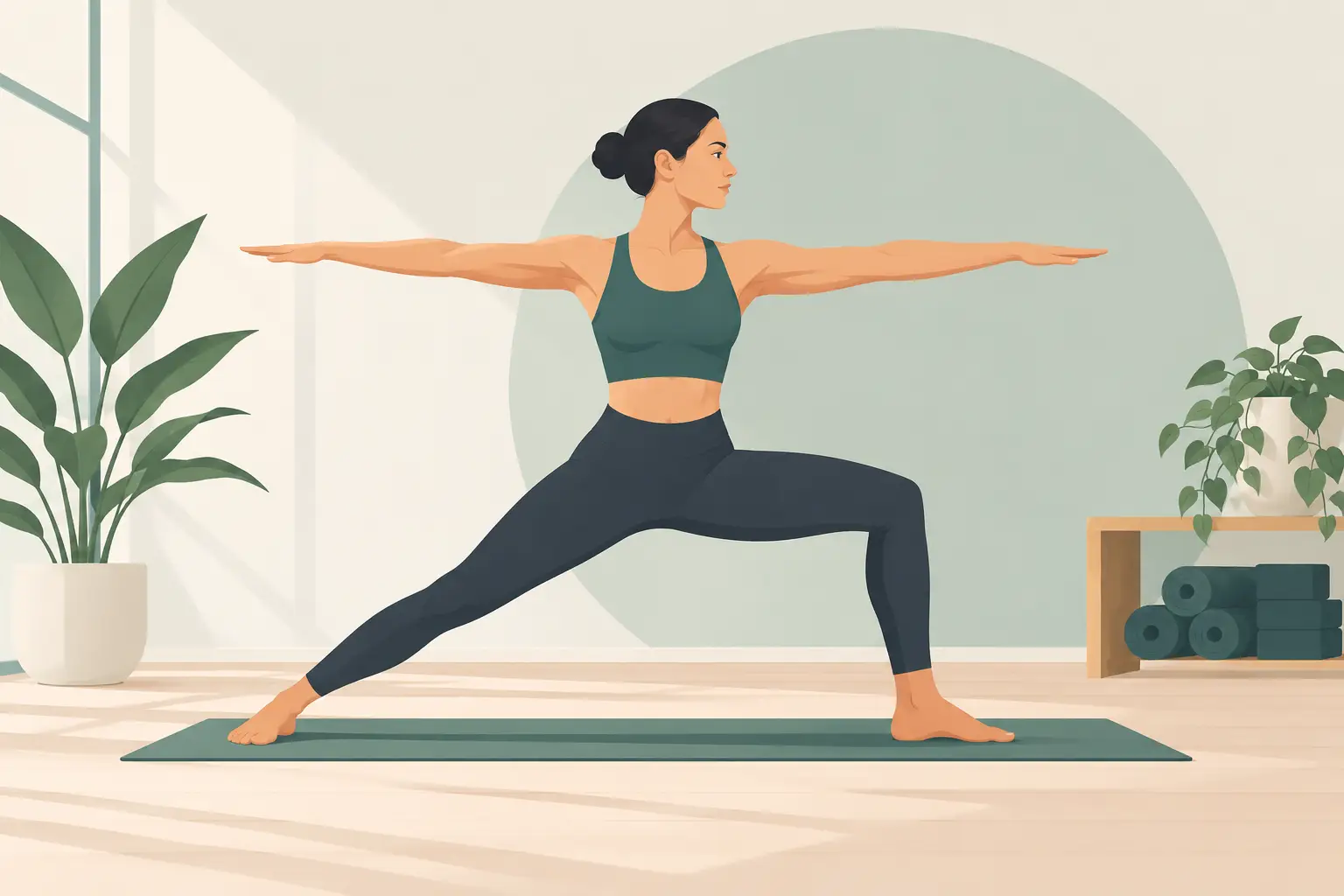
A plank that begins to shake, a chair pose that asks you to stay present, a slow transition that reveals exactly where your control drops off – these are not signs that you are failing. They are useful information. Strength focused yoga classes create space to meet that information with patience, skill, and a little more intention than simply pushing through another workout.
For many people, the appeal is simple: they want to feel capable in their body. That may mean carrying groceries without a sore back, moving more confidently through a busy workday, returning to exercise after time away, or building the stability that supports a favourite sport. Yoga can be a powerful place to develop that capacity, especially when strength is taught with thoughtful sequencing and close attention to form.
What Strength Focused Yoga Classes Actually Build
Strength in yoga is not only about holding a demanding pose for as long as possible. It is the ability to create and maintain useful tension while breathing, paying attention, and moving with control. A well-designed class develops strength through bodyweight resistance, longer holds, slow transitions, balance work, and repeated patterns that ask muscles to stabilize the joints.
You may feel this in your legs during lunges and chair variations, in your core during plank and standing balance work, and through your upper body in weight-bearing shapes such as downward dog, side plank, or modified chaturanga. Just as importantly, you learn how to organize your body while you work. Instead of gripping through the neck or collapsing into the lower back, you practise distributing effort through the feet, hips, abdomen, shoulders, and hands.
That distinction matters. A class can feel physically challenging without being well structured. The goal is not exhaustion for its own sake. The goal is to leave with a stronger sense of connection, better movement awareness, and enough energy to return consistently.
Why Strength Focused Yoga Classes Feel Different
A gentle or restorative yoga practice has an essential role in recovery and nervous system regulation. Strength-oriented practice has a different emphasis. The pace may be deliberate, but the time under tension is often greater. Rather than moving quickly through a shape, you may hold it long enough to notice where the body compensates, then receive a clear cue or variation that helps you work more effectively.
This approach can be especially valuable for people who spend long hours sitting. Hips, glutes, upper back, wrists, and deep core muscles often need both mobility and strength. Stretching alone may feel pleasant, but it does not always create the support needed to maintain a more comfortable posture or move well under everyday load.
The balance is key. Mobility without stability can leave joints feeling unsupported, while strength without mobility can make movement feel restricted. Yoga offers a practical way to train both in the same session. You might open the hips and hamstrings, then use that range of motion in a grounded lunge or single-leg balance. You might mobilize the shoulders, then build control through a carefully adapted plank.
Strength Does Not Have to Look Aggressive
There is a common misconception that a strength class must be fast, loud, or relentlessly intense. Some classes are more athletic in pace, and that can be enjoyable for the right person. But effective strength training in a yoga setting can also be quiet and highly focused.
A slower tempo often makes the practice more demanding. It asks you to notice whether your knee tracks comfortably over the foot, whether your ribs are flaring as your arms lift, or whether you can breathe steadily in a challenging position. These details are where strength becomes transferable. You are not simply completing shapes. You are building the coordination to move with greater control beyond the mat.
Experienced instruction matters here. A skilled teacher offers options without making them feel like a lesser version of the practice. Elevating the hands in plank, shortening a stance, using a block for support, or pausing between repetitions can help a student find the appropriate challenge. On another day, a longer hold or more complex balance may be the right progression.
Who Can Benefit From This Style of Yoga?
Strength-based yoga can support beginners, seasoned practitioners, runners, cyclists, desk workers, and people returning to movement after a break. The starting point is less important than choosing a class where the teaching makes room for your current capacity.
For beginners, it can build confidence in fundamental movement patterns: squatting, hinging, pushing, balancing, and getting up and down from the floor. For regular yoga students, it may add more intention around upper-body stability, core control, and progressive challenge. For active people whose routines are dominated by one type of movement, yoga can reveal gaps in balance, mobility, and joint stability.
It does depend on your needs. If you are managing an acute injury, recent surgery, persistent pain, pregnancy, or a health condition that affects exercise tolerance, seek appropriate guidance before starting. A supportive teacher can offer modifications, but individualized medical advice belongs with a qualified health professional.
What to Expect in Your First Class
Your first class does not need to be a test of flexibility or stamina. Arrive a few minutes early, let the instructor know if you have any concerns, and give yourself permission to choose the version of a pose that allows you to stay steady. The most useful effort level is one where you can feel the work without losing your breath, alignment, or ability to make thoughtful decisions.
Expect familiar yoga postures to be used in purposeful ways. You may repeat a sequence to build heat and familiarity, pause in a standing posture to strengthen the legs, or work through core-focused movements that emphasize control over speed. Wrist and shoulder preparation should be part of the experience when the class includes weight-bearing poses. If something feels sharp, unstable, or wrong, stop and ask for support.
It is also normal to feel muscles you do not often notice. Glutes, inner thighs, side body, mid-back, and deep abdominal muscles frequently wake up when alignment and tempo receive more attention. Mild post-class fatigue can be expected, but pain that lingers or worsens is a reason to reassess the approach.
How to Choose a Class That Supports Progress
Look beyond labels such as power, flow, or sculpt. These names can mean different things in different studios. A strong class description should give you a sense of pace, experience level, and whether the focus is muscular endurance, alignment, mobility, or a blend of these elements.
Consider the teaching environment as well. Smaller classes can make it easier for an instructor to see how you are moving and offer meaningful choices. If you are newer to yoga, a class with clear demonstrations and progressive options may serve you better than one built around rapid transitions. If you already have a regular practice, seek a teacher who can help you refine technique rather than simply add more intensity.
Consistency will make a greater difference than finding the hardest class once a month. Two weekly practices, paired with recovery and adequate sleep, can create noticeable changes in stability and confidence over time. Your body also benefits from variety. A strength-focused session may pair beautifully with restorative yoga, walking, Pilates, or another form of resistance training.
Let Recovery Be Part of the Work
Strength develops during recovery as much as during effort. After a challenging class, hydration, nourishing meals, gentle movement, and sleep all help the body adapt. Some days, your most intelligent choice will be to take the lighter variation, reduce your range of motion, or choose a restorative practice instead.
This is not a lack of discipline. It is how sustainable practice works. Training with awareness helps you recognize the difference between healthy effort and the kind of fatigue that asks for rest. Over time, that relationship with your body can be one of yoga’s most valuable strengths.
At Breathe Yoga Studio in The Junction, strength-focused practice is held within a broader approach to wellness: one that values challenge, recovery, skilled guidance, and community in equal measure. Choose a class that meets you where you are, then allow the small, steady work of showing up to change how you move through the rest of your life.
