


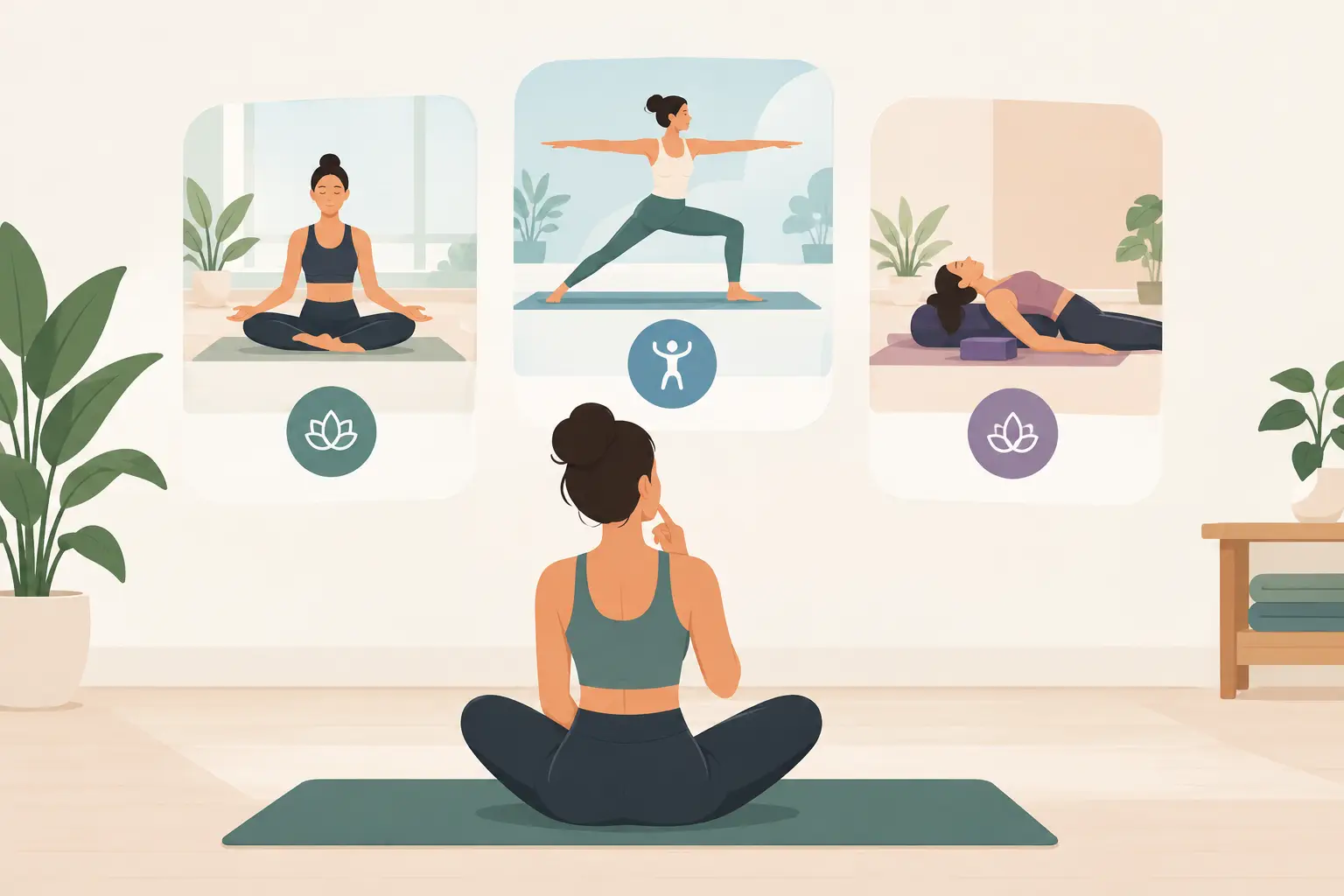
A yoga membership should make it easier to return to your mat on the days when life is full, your energy is low, or motivation is nowhere to be found. That is the real question behind how to choose a yoga membership: not simply which price looks best, but which commitment will support your body, schedule, and wellbeing over time.
The right fit can turn a weekly class into a steady practice that builds strength, mobility, calm, and connection. The wrong fit can leave you paying for classes you cannot attend or pushing yourself into a style that does not meet you where you are. Start with honesty about what you need now, then look for a studio that can support where you want to go next.
Start with the kind of practice you need
Yoga is not one experience. A strong, heat-building flow may feel energizing to one person and overstimulating to another. A quiet restorative class can be deeply supportive during a demanding season, while someone else may be looking for the discipline and progression of an Ashtanga practice or the strength work of Pilates.
Before comparing membership options, consider what you hope to feel differently in a few months. You may want less stiffness after desk work, more resilience under stress, better balance, a supportive path back to movement, or a regular practice that challenges you physically. Your answer does not need to be perfect. It simply gives you a useful starting point.
A well-rounded class schedule gives you room to respond to your body rather than forcing every visit to look the same. For example, you might choose a more active class earlier in the week, then book restorative yoga when your nervous system needs recovery. This variety is especially valuable if you are returning from injury, managing fluctuating energy, or building a sustainable routine for the first time.
Look for beginner support, not beginner pressure
If you are new to yoga, avoid assuming that a membership only makes sense once you feel experienced. Consistency is often what creates confidence. What matters is whether teachers offer clear options, welcome questions, and help you understand alignment without making you feel singled out.
A beginner-friendly studio is not necessarily one with only gentle classes. It is one where you can enter a class safely, learn the foundations, and adapt the practice as needed. Small class settings and experienced instructors can make a meaningful difference here, particularly if you have injuries, are pregnant or postpartum, or have been away from movement for a while.
Match the membership to your real schedule
The most generous membership is not always the best value. A high-frequency unlimited plan can be excellent if you genuinely attend three or more times a week. If your work, family commitments, travel, or energy levels make that unlikely, a smaller recurring package may offer more freedom and less pressure.
Look at a typical month, not your most ambitious week. Consider when you are actually available: before work, during the day, after work, or on weekends. Then check whether the studio offers classes at those times in the formats you want to take. A full schedule matters, but the useful part of that schedule is the portion you can realistically use.
For busy Toronto professionals, proximity also matters more than people expect. A studio close to home, work, or a regular transit route removes one more barrier between intention and attendance. In the Junction and across West Toronto, choosing a neighbourhood practice space can make it easier to keep your commitment even when the weather turns or the day runs long.
Consider your attendance pattern
You do not have to predict your life perfectly, but it helps to identify your likely rhythm. Think about whether you are someone who prefers a regular Tuesday evening class, a flexible drop-in approach, or several visits each week across different styles.
Many studios offer a mix of introductory offers, class packs, and recurring memberships. An intro offer is often the best way to experience the teaching, community, and schedule before committing. A class pack can suit people with changing calendars. A membership can be a supportive choice when you are ready to make practice part of your weekly routine.
Ask what happens if you are sick, travelling, or need to pause. Clear cancellation, freeze, and booking policies are signs of a studio that respects both its community and its instructors. Policies should encourage consistency without making you feel trapped.
Compare value, not only the monthly price
A lower monthly rate is appealing, but it does not always represent better value. Consider the cost per class at the number of visits you are likely to make, then weigh what is included in the experience. Skilled teaching, thoughtful sequencing, smaller classes, clean and well-equipped spaces, and a broad schedule all affect the quality of your practice.
It can also be worth asking whether membership benefits extend beyond weekly classes. Some studios provide member pricing for workshops, priority booking, or access to specialized programs. These benefits are most valuable when they fit your interests, not when they merely sound impressive.
Be cautious of choosing solely on the promise of unlimited access. Unlimited can create a helpful sense of possibility, but it is only financially useful when your life allows you to attend regularly. On the other hand, if you know that practicing often helps you manage stress, pain, or low mood, an unlimited model may encourage the consistency that a single drop-in class does not.
Pay attention to the teachers and the room
A membership is a relationship with a practice space. The first visit can tell you a great deal. Notice whether you feel welcomed at the front desk, whether the teacher knows how to offer modifications, and whether the room feels calm, cared for, and focused.
Teaching quality is particularly important if you want to progress. Experienced teachers do more than lead poses. They help you understand effort and ease, recognize when to rest, and make choices that suit your own anatomy. In a Mysore or workshop setting, for instance, individual guidance can help a dedicated student build a more informed practice over time.
Community matters too, though it should never feel like pressure to perform or belong in a certain way. The best studio communities make room for different bodies, backgrounds, ages, and goals. You should be able to arrive exactly as you are, take the class you need, and leave feeling more at home in yourself.
Choose a studio that supports the whole picture
Movement is powerful, but it is one part of wellbeing. If your goals include sustainable energy, recovery, weight management, hormonal health, or stress regulation, look for a studio that understands how these pieces connect.
That does not mean every membership needs to include nutrition coaching or private services. It means the studio should avoid one-size-fits-all promises and recognize that health is personal. Some people benefit from a regular yoga and Pilates rhythm; others may also want structured workshops, teacher training, or individualized metabolic support.
At Breathe Yoga Studio, this whole-body perspective includes a varied in-studio schedule alongside Metabolic Balance, a science-based program that uses individualized blood analysis to inform wellness planning. For someone whose low energy or stalled weight goals have not shifted with generic advice, that kind of additional support can be a meaningful option rather than another quick fix.
Questions to ask before you commit
A short conversation with the studio team can save you from choosing based on guesswork. Ask which membership is most suitable for your expected attendance, whether your preferred classes require advance booking, and how much flexibility is available if circumstances change. If you have an injury or a health concern, ask which classes are appropriate and how instructors support modifications.
You can also ask how new students are introduced to foundational practices, whether workshops are available for deeper learning, and what class sizes are typically like. The answers should feel clear and considerate, not sales-driven.
Finally, trust the information your body gives you after a trial class. You do not need to leave feeling exhausted to have had a valuable practice. A good class may challenge you, settle you, or reveal areas you want to work on. More than anything, it should leave you feeling safe enough to return.
A yoga membership is not a test of discipline. It is an invitation to create dependable time for yourself, supported by teachers, a welcoming space, and a practice that can change with you. Choose the option that makes returning feel possible, then let the small, repeated act of showing up do its quiet work.
