


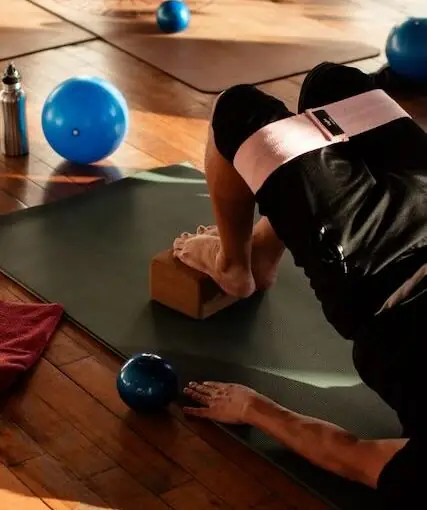
If you have ever left a slow yoga class with shaking legs or felt your deep core working in Pilates the next day, you already know the answer to the Pilates vs yoga strength question is not as simple as it sounds. Both practices can make you stronger. They simply develop strength through different movement patterns, priorities, and sensations.
For many people, the best choice is not one or the other. It is understanding what your body needs now: more stability, more mobility, better posture, stronger legs, greater upper-body capacity, or a calmer way to train consistently.
Pilates vs yoga strength: the essential difference
Pilates is designed around controlled, repeatable movement with a strong emphasis on alignment, core stability, breath, and muscular endurance. Whether you are working on a mat or with equipment, exercises often ask you to keep the pelvis and ribcage organized while the arms or legs move. That demand can make a familiar-looking exercise feel surprisingly challenging.
Yoga builds strength within shapes and transitions. A well-sequenced class may include long holds in standing postures, weight-bearing work through the hands, slow lowering actions, balances, and repeated transitions such as plank to chaturanga. Strength is developed alongside flexibility, body awareness, breathing, and often a more meditative focus.
Neither practice needs to feel punishing to be effective. In fact, the ability to maintain steady breathing and clean form while a muscle is working is part of the value. Strength is not only about how much weight you can lift. It is also your capacity to control your body, absorb load, and move well in daily life.
Where Pilates tends to build strength
Pilates is especially effective for developing deep trunk control. The core is more than visible abdominal muscles. It includes the diaphragm, pelvic floor, deep abdominals, back muscles, and hip stabilizers that help organize movement. In a thoughtful Pilates class, you learn to recruit this system without gripping through the neck, holding your breath, or bracing so hard that movement becomes rigid.
That makes Pilates a valuable choice when you want to improve posture, support your low back, regain confidence after time away from exercise, or create a stronger foundation for other activities. Runners, cyclists, desk workers, and people returning from an injury often notice that Pilates exposes useful gaps in hip stability, single-leg control, and shoulder positioning.
Pilates also develops muscular endurance. You may perform small, precise repetitions or maintain an isometric position for longer than expected. The resistance may come from body weight, springs, props, or the leverage created by moving a long leg away from the torso. It is less about chasing maximal load and more about maintaining quality under tension.
For leg strength, Pilates can be very effective when classes include squats, lunges, bridges, side-lying hip work, and standing sequences. However, the result will depend on the level of resistance and progressive challenge. Mat Pilates alone may not build the same maximal leg strength as progressively loaded barbell squats, but it can meaningfully improve control, endurance, and joint support.
Where yoga tends to build strength
Yoga strength often arrives through time under tension. Holding Chair Pose, Warrior II, Crescent Lunge, or a balance requires the feet, legs, hips, and trunk to work continuously. In a stronger vinyasa or Ashtanga-based practice, repeated sun salutations and arm balances can build considerable endurance through the shoulders, chest, triceps, wrists, and core.
The strength you gain can feel highly functional because it is closely tied to range of motion. A grounded Warrior III, for example, asks the standing leg, glutes, foot muscles, and trunk to coordinate while the hips remain level. A well-supported Downward Dog builds shoulder endurance while lengthening the back body. The work is not isolated, and that is part of its appeal.
Yoga can also strengthen the nervous system side of movement: focus, breath regulation, and your ability to stay present when a posture becomes demanding. That matters for sustainable training. A person who learns to recognize the difference between productive effort and joint discomfort is often better equipped to build strength without repeatedly pushing past their limits.
Still, yoga classes vary widely. A gentle or restorative practice is not intended to be a primary strength workout, and it does not need to be. Restorative yoga supports recovery, downregulates stress, and can complement more demanding movement beautifully. If strength is your main aim, look for classes with purposeful standing work, weight-bearing transitions, and thoughtful progression.
Which one is better for core strength?
Pilates usually offers the more direct route if your goal is specific core strength and lumbopelvic stability. The practice spends more time teaching how the trunk responds while the limbs move, which can be particularly helpful if you feel disconnected from your core or tend to experience back discomfort during exercise.
Yoga builds core strength too, especially through planks, side planks, standing balances, twists, and transitions. Yet the instruction may place equal emphasis on breath, shape, and the overall flow of practice. That can be ideal if you want core work integrated into a whole-body experience rather than treated as the central focus.
The better question is whether you can feel your core contributing without strain. If every plank lands in your low back or shoulders, more repetitions are unlikely to solve the problem. A skilled teacher can offer a variation that lets you build capacity with better alignment.
Which is better for upper- and lower-body strength?
Yoga generally offers more upper-body weight-bearing, particularly in active styles. Plank variations, chaturanga, Side Plank, arm balances, and Downward Dog ask the arms and shoulders to support a meaningful percentage of body weight. This can build endurance and stability, although wrist sensitivity, shoulder history, and technique all need consideration.
Pilates can build upper-body strength through prone work, plank variations, resistance exercises, and equipment-based movements, but its signature benefit is often shoulder organization rather than high-volume pushing. That is useful for people who spend long hours at a computer, carry tension in the upper traps, or want to improve overhead movement with more control.
For lower-body strength, both are capable options. Yoga tends to challenge the legs in larger ranges of motion through lunges and standing postures. Pilates often targets the glutes, hips, and inner thighs with more precision, helping you notice whether one side is working harder than the other. Combining both can offer a powerful balance: mobility and load tolerance from yoga, with stability and control from Pilates.
What neither practice fully replaces
If your goal is to maximize muscle size, bone-loading stimulus, or one-repetition strength, dedicated progressive resistance training remains valuable. Muscles become stronger when they are challenged over time with enough load, volume, recovery, and nutrition. Yoga and Pilates can contribute to that picture, but they are not always a complete substitute for heavier strength training.
That is not a reason to dismiss them. A consistent yoga or Pilates practice may be far more beneficial than a gym plan you do not enjoy or cannot sustain. It may also improve how you perform when you do lift weights, play sport, walk long distances, or carry groceries through a Toronto winter.
How to choose the right class for your goals
Choose Pilates when you want detailed core work, postural support, hip and shoulder stability, and a clear focus on controlled strength. It is a strong starting point if you are new to structured movement, returning after a break, or looking to complement higher-impact training.
Choose yoga when you want strength alongside flexibility, balance, breathwork, and a more spacious mental experience. Dynamic classes may suit you if you enjoy flowing from pose to pose, while slower strength-focused classes can help you build steadiness without rushing.
Choose both if you want a well-rounded practice. You might attend Pilates once or twice weekly to develop stability, then add a yoga class for mobility, weight-bearing strength, and recovery. Your schedule, energy, injuries, and personal preferences all matter more than finding a universal winner.
At Breathe Yoga Studio, experienced teachers can help you find an entry point that feels supportive rather than intimidating. The most effective class is one where you can be challenged, ask questions, and return often enough to notice change.
Strength that serves your life is rarely built in a single heroic session. It grows through attentive practice, patient progression, and the quiet confidence that your body is becoming more capable each week.
