


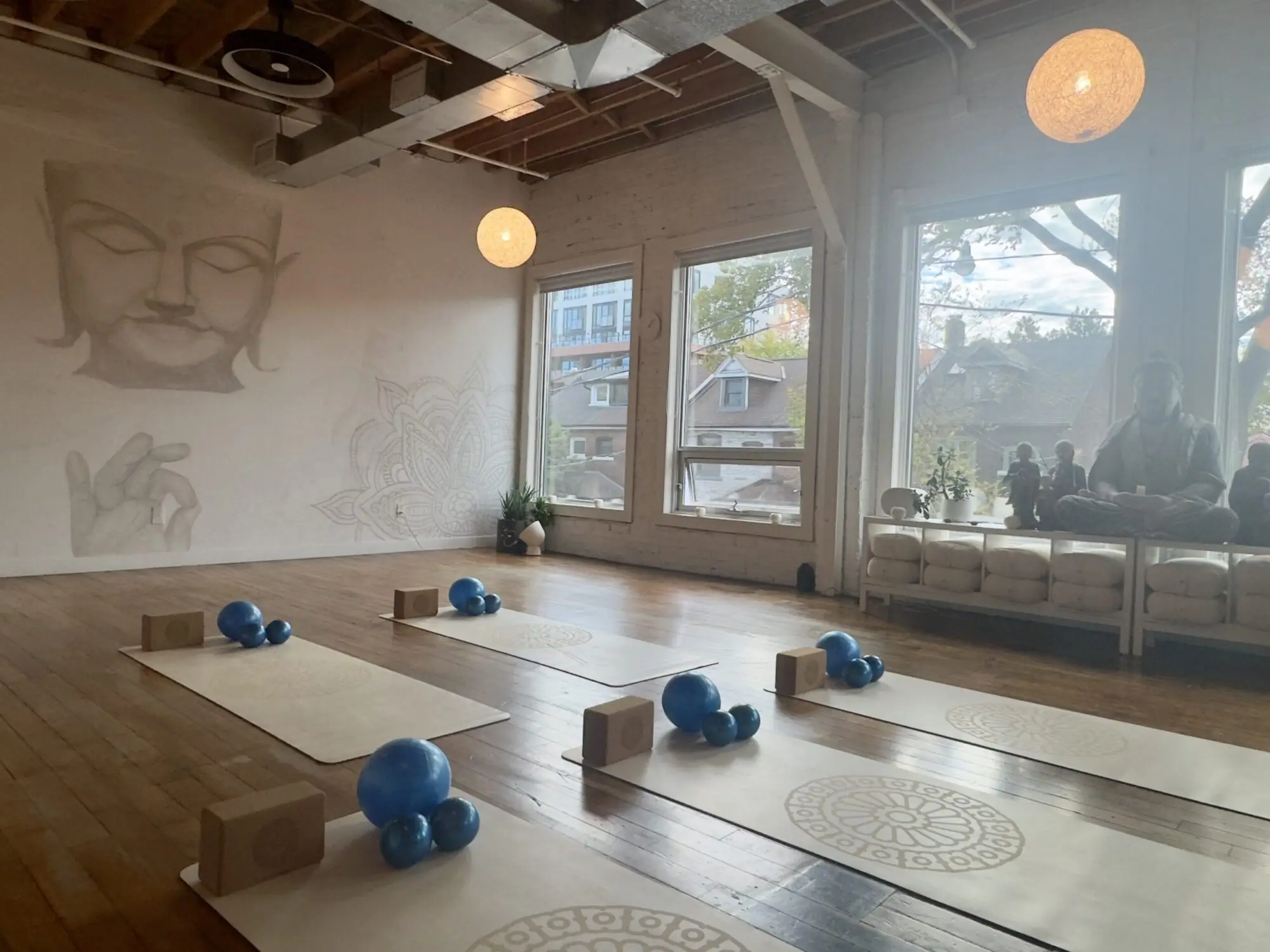
A strong Pilates practice can change the way an ordinary day feels. Carrying groceries feels less taxing. Long hours at a desk leave less of a pull through the neck and low back. Stairs, walks, and workouts begin to feel more supported from the inside out. For people looking for pilates in the Junction Toronto, the real question is not whether Pilates is challenging. It is whether the class gives you the skilled guidance, pace, and sense of belonging that help you return week after week.
Pilates is often associated with a strong core, and that is true. But a thoughtful practice is also about breath, alignment, mobility, coordination, and control. It asks you to pay attention to how you move, rather than simply pushing through a sequence. That makes it a valuable complement to busy west-end lives, whether you are returning to movement, training regularly, managing everyday stiffness, or looking for a more sustainable way to build strength.
Why Pilates feels different
Pilates develops strength through precise, intentional repetition. Rather than relying on momentum, you learn to organize your body around a stable centre while allowing the shoulders, hips, and spine to move with greater freedom. The work can be subtle at first. A small adjustment in pelvic position or rib placement may make an exercise feel entirely new.
This attention to detail is one reason Pilates can be both humbling and rewarding. You may not leave every class feeling like you have completed a high-intensity workout, yet you may notice deeper abdominal engagement, steadier balance, and muscles working in ways they have not before. Over time, many students find that the benefits carry into other movement practices, from running and strength training to yoga and walking.
It is also a practice that can meet different needs. Someone who spends most of the day seated may value hip mobility and postural awareness. A recreational athlete may want better control through the trunk and hips. A person easing back into exercise may appreciate a format that builds confidence without requiring them to keep pace with a crowded room. The right class honours your starting point while still giving you somewhere to grow.
Pilates in the Junction Toronto: What to look for
The neighbourhood matters because consistency matters. A studio that is easy to reach from home, work, or your usual errands removes one more barrier between good intentions and a regular practice. But proximity alone is not enough. Look for teaching that is clear, attentive, and adaptable.
Experienced instructors do more than call out exercises. They offer options when a movement does not feel right, explain the purpose behind a cue, and notice when students need support or a greater challenge. In a smaller class setting, that individual attention can help a newcomer feel less self-conscious and help an established student refine familiar work.
A welcoming environment is equally valuable. Pilates can feel technical, particularly when terms such as neutral spine, imprint, articulation, or lateral breathing are new. You should be able to ask questions and take breaks without feeling that you are falling behind. A good studio creates room for focus without making movement feel intimidating.
Schedule is another practical consideration. If your workday is full, early morning, evening, and weekend options can make the difference between an occasional class and a habit. A varied schedule also lets you choose the kind of support you need on a given day: strength and energy when you feel ready to work, or more mindful movement when life has been demanding.
Your first class does not need to be perfect
Many people delay their first Pilates class because they worry they are not flexible enough, strong enough, or familiar enough with the method. None of those is a requirement. Pilates is a place to develop those qualities, not a test you must pass before entering the room.
Arrive a few minutes early, wear clothing that lets you move comfortably, and let the instructor know about any injuries, recent surgery, pregnancy, or areas that need extra care. This does not mean every condition can be addressed in a general group class. For acute pain, significant injury, or a medical concern, guidance from an appropriate health-care professional should come first. Still, sharing relevant context helps an instructor offer sensible modifications.
During class, use breath as an anchor. If you lose track of an exercise, return to a steady inhale and exhale, then follow the next cue. It is better to move with control through a smaller range than to force a shape that does not feel stable. Pilates rewards patience. The more you listen to your body, the more useful the work becomes.
How often should you practise?
For most people, one class per week is a meaningful place to begin. It creates familiarity with the exercises and gives your body time to adapt. Two weekly classes can bring more noticeable progress in strength, coordination, and movement awareness, particularly when paired with regular walks or another activity you enjoy.
There is no single ideal formula. It depends on your current activity level, recovery needs, goals, and schedule. If you are also lifting weights, running, or taking vigorous yoga classes, Pilates may serve as the focused stability work that supports everything else. If you are returning from a long break, a gentler rhythm may be the more sustainable choice.
Pay attention to changes beyond the mirror. You may notice that you stand more comfortably in line, reach overhead with less tension, or recover more easily after a demanding day. Those quiet markers often say more about a practice than soreness does.
Pairing Pilates with yoga and recovery
Pilates and yoga are often grouped together, but they offer different experiences. Pilates tends to place more sustained attention on muscular control, trunk stability, and repeated movement patterns. Yoga may emphasize breath, shapes, balance, stillness, and a broader range of physical and contemplative practices. Together, they can create a balanced movement week.
A strength-focused Pilates class can pair well with restorative yoga when your nervous system needs space to settle. More dynamic yoga can complement Pilates by offering mobility and a different relationship to breath and flow. There is no need to do everything at once. Choosing a combination that leaves you feeling more capable, rather than depleted, is usually the wiser approach.
At Breathe Yoga Studio, Pilates sits within a wider wellness community that understands movement as more than exercise. The aim is not to chase perfection in every posture or repetition. It is to build a practice that supports strength, recovery, and a steadier relationship with your body.
Building a practice that lasts
The most effective Pilates routine is the one you can keep. Rather than setting an ambitious plan that disappears after two weeks, start with a class time you can realistically protect. Treat it as an appointment with your future energy and mobility, not as a task to fit in only after everything else is done.
Give yourself a few classes before deciding whether Pilates is for you. The first session may feel like learning a new language. By the third or fourth, cues begin to make sense, transitions feel less unfamiliar, and you may be ready to notice the details that once felt overwhelming. That learning curve is part of the practice.
If a class feels too easy, ask your instructor how to progress with control. If it feels too demanding, choose modifications without apology. Sustainable progress comes from meeting the work honestly, not from performing for the room.
Your body does not need a dramatic overhaul to deserve care. Choose a class, show up as you are, and let each considered breath and movement become a small vote for feeling at home in your own strength.
