


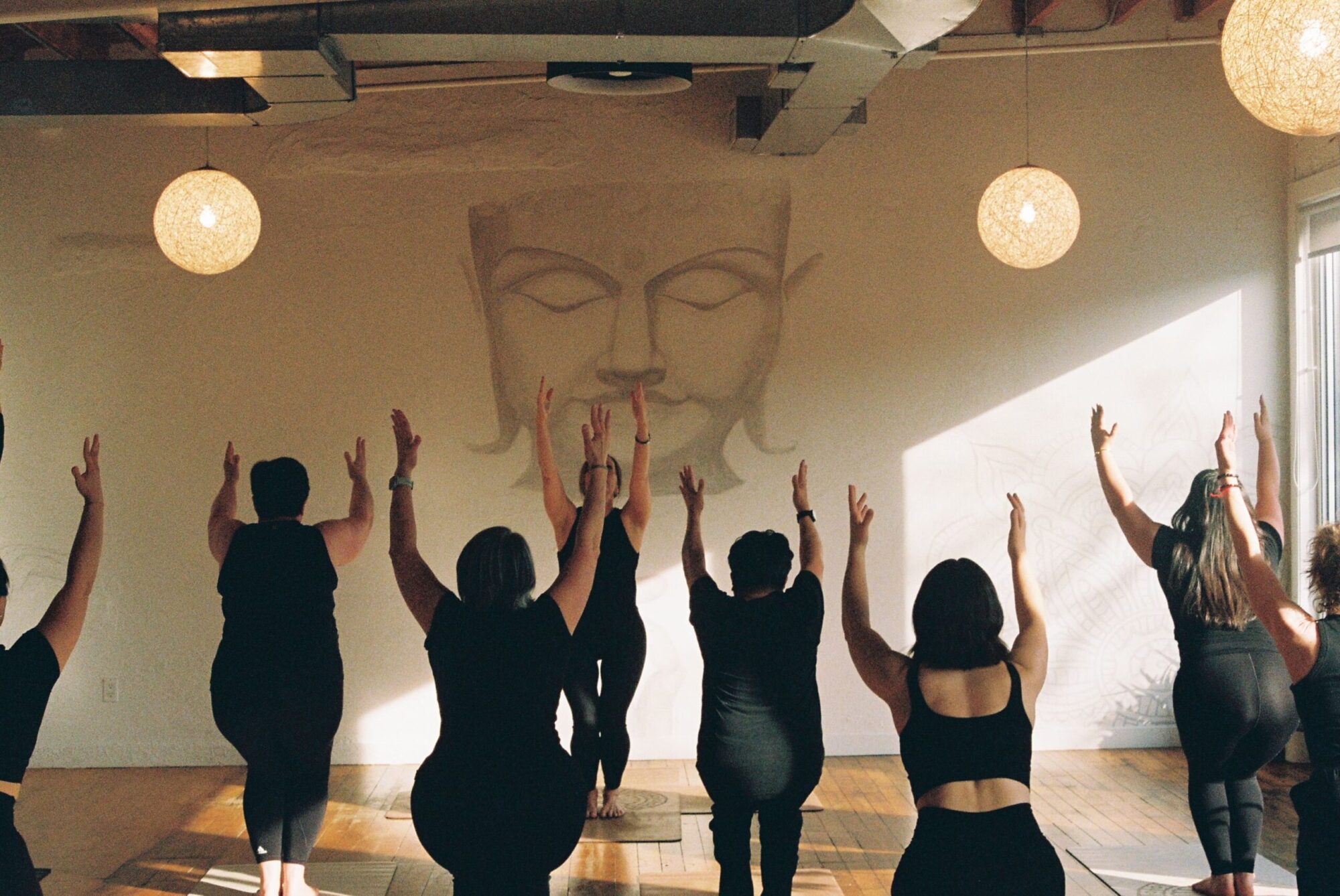
Walking into your first yoga class can feel like a lot. You might be wondering whether you are flexible enough, whether you need special clothes, or whether everyone else will somehow know exactly what to do. If you have been searching for beginner yoga classes Toronto students actually feel comfortable in, the good news is that the right class should lower your stress, not add to it.
A beginner-friendly studio does more than offer an easy schedule slot. It creates a calm, supportive environment where you can learn the foundations safely, ask questions without feeling self-conscious, and build confidence one class at a time. In a city as busy and varied as Toronto, that kind of steady support matters.
What makes a beginner yoga class?
Not every class labelled beginner is truly designed for beginners. Sometimes the pace is still too quick. Sometimes the teacher assumes a level of body awareness that new students have not yet developed. Sometimes the room itself feels intimidating.
A strong beginner class usually has clear verbal instruction, thoughtful sequencing, and enough space to settle into each shape without rushing. The teacher explains not just what to do, but why. That might mean helping you understand how to stack your joints in a standing pose, how to breathe steadily when things feel unfamiliar, or how to modify a movement when your wrists, hips, or low back need support.
The best classes also leave room for real life. Some students are returning to movement after years away. Others are active but new to yoga. Some are managing stress, stiffness, old injuries, or burnout from long workdays. A beginner practice should meet you there.
What to expect in your first beginner yoga class
Your first class will likely be simpler than you imagine, and that is a good thing. Most beginner sessions focus on breath, alignment, basic standing poses, gentle transitions, and a measured pace. You may spend more time learning how to move well than trying to do anything advanced.
Expect the teacher to offer options. In yoga, options are not a sign that you are behind. They are part of good teaching. Using blocks, straps, blankets, or a shorter range of motion can help you feel the shape more clearly and reduce unnecessary strain.
You can also expect moments of stillness. For many people, that is the surprising part. A class is not only about stretching or strengthening. It is also about learning how to pay attention to your breath, notice tension patterns, and come out of the constant mental rush that city life can create.
If you are worried about keeping up, remember this: experienced teachers expect beginners to pause, watch, and reset. That is normal. No one benefits from pushing through confusion.
How to choose the right beginner class for your body and goals
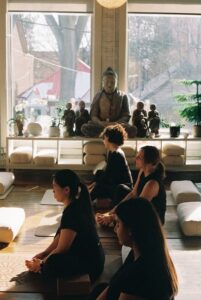 There is no single perfect starting point because bodies and goals differ. Some people want stress relief and gentle mobility. Others want to build strength, improve posture, or create a consistent movement routine. The right class depends on what you need most right now.
If your nervous system feels overstretched, a gentle or restorative format may be the most supportive place to begin. If you want to learn foundational postures and develop confidence for a regular practice, a true beginner yoga class is often ideal. If you already enjoy fitness and want a more active entry point, you may feel at home in a slower flow class that still includes clear instruction.
It also helps to think about your schedule honestly. A class that fits your week is better than the perfect class you rarely attend. Consistency matters more than intensity, especially at the start.
For many Toronto students, convenience is part of what makes a practice sustainable. When your studio feels like a neighbourhood sanctuary instead of another commute-heavy obligation, it becomes much easier to show up regularly.
Why small details matter more than studio hype
When people look for beginner yoga classes, they often focus on the headline details first – price, location, or trendy class names. Those matter, but the small details tend to shape your actual experience.
Teacher experience is one of them. New students benefit from instructors who can read a room, offer individual guidance without putting anyone on the spot, and build classes that are progressive rather than overwhelming. A full schedule also helps, especially if you are trying to establish a routine around work, family, or shifting energy levels.
Atmosphere matters too. A welcoming front desk, a clean and calm space, and a community that feels inclusive can make the difference between trying one class and coming back. For beginners, emotional safety is part of physical safety. When you feel comfortable, you move and breathe differently.
This is where a neighbourhood studio can be especially valuable. At Breathe Yoga Studio, the focus is not just on filling a room. It is on supporting every level of the wellness journey through skilled instruction, thoughtful programming, and a sense of community that helps new students feel at home. We invite you to get in touch with us so that we can help you find the right class.
Common worries beginners have, and what is actually true
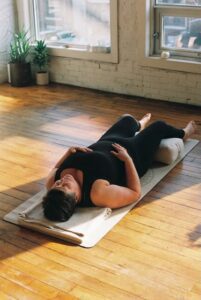 One of the most common concerns is flexibility. Many people assume yoga is something you do because you are already flexible. In reality, flexibility can be one result of practice, but it is not the entry requirement. Strength, balance, coordination, and breath awareness are just as important.
Another concern is body type. Yoga is not reserved for one kind of body. A well-taught class should offer ways for different bodies to experience the same pose with stability and ease. If a class makes you feel as though you need to change your body before you belong there, that class is not serving you well.
Some beginners also worry that they need to understand yoga culture or terminology before they start. You do not. A good teacher will explain what you need to know as you go. Over time, words like vinyasa, child’s pose, or savasana will become familiar, but no one should expect fluency on day one.
And then there is the fear of doing it wrong. The truth is that yoga is a practice, not a performance. There is room to learn. There is room to pause. There is room to have a very ordinary first class and still leave feeling better than when you walked in.
How often should beginners practise?
For most beginners, two classes a week is a strong place to start. It gives your body enough repetition to build familiarity without creating too much soreness or pressure. One class a week can still be meaningful, especially if your schedule is full, but progress tends to feel steadier with a little more frequency. Eventually you want to be practising as often as possible – 3-5 times per week – in order to derive the full benefits of yoga.
That said, more is not always better. If you are tired, stressed, or already carrying a lot physically, a balanced approach works best. Some weeks you may want an energizing class. Other weeks you may need something slower and more restorative. Listening to that difference is part of the practice.
Beginners often benefit from variety as well. Pairing a foundational yoga class with restorative work, breath-based movement, or even Pilates can support strength, mobility, and recovery in a more complete way. That broader whole-body approach can be especially helpful if your goals include posture, energy, injury prevention, or nervous system regulation.
What to bring, wear, and know before you arrive
You do not need much. Comfortable clothes you can move in are enough. You want to be able to bend, reach, and breathe without adjusting your outfit every few minutes. Many students prefer fitted but soft layers, especially in cooler months.
Arriving a little early helps. It gives you time to settle in, let the teacher know it is your first class, and avoid beginning from a rushed state. If you have injuries, are pregnant, or have concerns about balance, blood pressure, or chronic pain, share that before class starts. Good teachers want that information.
Try not to eat a heavy meal right before class. A light snack earlier is usually fine if you need it. Bring water, but know that you may not need much during gentler classes.
Most importantly, leave perfection at the door. You are not there to get every pose right. You are there to begin noticing how your body moves, how your breath responds, and what helps you feel more grounded.
Beginner yoga classes Toronto students stay with
The classes people return to are rarely the ones that impress them for one hour. They are the ones that make them feel supported enough to come back next week. That support can look simple: a teacher who remembers your name, a class structure that feels clear, a studio rhythm that helps you build trust in your body.
That is especially meaningful in Toronto, where life can feel fast, crowded, and overstimulating. A good beginner yoga class becomes a kind of oasis inside the week. It gives you a place to breathe more fully, move with intention, and reconnect with yourself without pressure to perform.
If you are ready to start, choose the class that feels welcoming, manageable, and aligned with what your body needs now. You do not need to wait until you are stronger, calmer, or more flexible. Sometimes the practice is what helps you become those things.
