


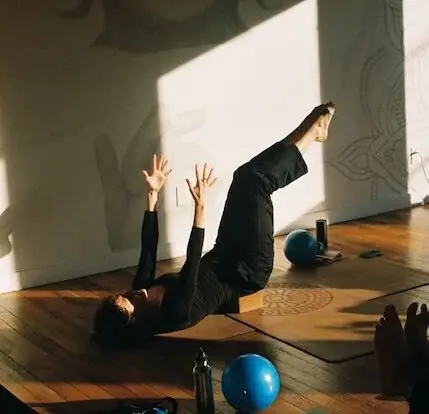
Some Pilates classes leave you feeling stronger and more connected to your body. Others just leave you sore in places you were not trying to target. If you are searching for pilates classes in the Junction neighborhood in Toronto you can return to week after week, the difference usually comes down to more than location. It comes down to teaching quality, class design, pace, and whether the studio creates an environment where you can actually build a sustainable practice.
In a neighborhood like the Junction, convenience matters. So does consistency. For many people, Pilates is not a one-time fitness experiment. It becomes part of how they support posture, core strength, mobility, recovery, and nervous system regulation. That means the best class is not always the hardest one. It is the one that helps you feel better in your body, progress safely, and keep showing up.
What makes pilates classes in the Junction, Toronto worth your time
A good Pilates class should feel precise, intentional, and surprisingly challenging without becoming chaotic. You want clear instruction, thoughtful sequencing, and an instructor who understands how to offer both support and progression. That matters whether you are brand new, coming back after time away, or already comfortable with movement-based training.
The strongest studios tend to avoid the one-size-fits-all approach. In practice, that means your teacher is not simply counting reps over music. They are watching alignment, cueing breath, and helping you understand where movement should initiate. Those details are what turn Pilates from a generic core workout into a method that can improve how you stand, sit, walk, train, and recover.
Class size also shapes the experience more than people expect. In a smaller room, instructors have a better chance of noticing compensation patterns like gripping through the neck, collapsing into the lower back, or pushing range of motion beyond what is useful. That kind of attention can make classes feel safer, especially if you are navigating stiffness, postural strain from desk work, or a history of minor injuries.
How to choose the right pilates classes
If you have only looked at schedules and prices, you are missing part of the picture. A class title can sound promising, but the real question is whether the experience matches your goals.
If your priority is strength, you may enjoy a more athletic mat Pilates class with clear muscular endurance work and progressive layering. If your body feels tight, depleted, or overtrained, a class that balances core activation with mobility and controlled pacing may be more supportive. If stress is part of the equation, breath-focused instruction matters just as much as burn.
It also helps to think honestly about your starting point. Beginners often assume they need to get stronger before attending class, but a well-taught beginner-friendly session is designed to build that foundation. On the other hand, if you already have body awareness from yoga, strength training, dance, or rehab exercise, you may want a class that gives you more nuance and challenge from the start.
Scheduling is another practical detail that can decide whether a Pilates routine lasts. The best studio for you is often the one with enough class frequency to fit real life. Evening options, weekend choices, and the ability to attend consistently matter far more than finding a single perfect time slot you can rarely make.
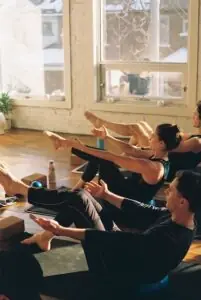 What beginners should expect from Pilates
Many first-time students come in expecting nonstop ab work. They leave realizing Pilates asks for something more refined. Yes, your core will work, but so will your glutes, upper back, inner thighs, shoulders, and deep stabilizing muscles that are easy to miss in faster workouts.
You can also expect to slow down. That is not a drawback. It is part of the method. Controlled movement reveals habits you might normally power through, like shifting weight unevenly, holding your breath, or relying on momentum. For busy professionals and active adults, that slower pace can be surprisingly grounding.
At the same time, Pilates is not automatically gentle. Precision can be demanding. Small changes in position often make an exercise dramatically harder. A strong teacher will help you find the version that is appropriate for your body on that day, which is one reason experienced instruction matters so much.
If you are concerned about being the least experienced person in the room, that is common. The right studio culture makes space for that. A welcoming atmosphere should not mean watered-down teaching. It should mean you feel supported while still learning real technique.
Signs of expert instruction
Not every class that uses the word Pilates is truly grounded in Pilates principles. If you want a practice that supports long-term strength and resilience, look for teachers who cue with specificity. They should talk about breath, spinal position, pelvic stability, shoulder organization, and how to adapt movement patterns rather than simply pushing intensity.
Expert teaching often feels calm and clear. You are not left guessing what comes next or whether you are doing an exercise correctly. Instead, the class builds in a way that makes sense. Foundations are established before complexity is added.
Another sign is thoughtful modification. Good instructors understand that offering options is not the same as lowering standards. It is how a mixed-level room stays inclusive while still challenging stronger students. Some people need smaller ranges. Others need more load, more coordination, or longer holds. Both deserve intelligent programming.
This is especially valuable if you are using Pilates to complement other movement practices. For people who run, lift weights, cycle, or spend long hours at a desk, Pilates can fill important gaps. It improves control, body awareness, and postural support, but only if the teaching is precise enough to target those needs.
Why studio environment matters more than people think
The physical class matters, but so does the feeling of the space. Wellness is easier to sustain when the studio feels like a sanctuary rather than another place where you need to perform. That does not mean every class is quiet or restorative. It means the overall environment supports focus, care, and consistency.
A neighbourhood studio often offers something large fitness chains cannot. There is more continuity. Teachers get to know students. Questions are welcome. Progress is noticed. That sense of community can be the difference between attending occasionally and developing a real practice.
For many people in West Toronto, that community aspect is not a bonus. It is part of the value. Movement habits tend to stick when they are connected to a place where you feel comfortable, seen, and encouraged. If you are balancing work, family, and constant demands on your attention, having a local wellness space that feels grounded can make regular classes much more realistic.
Pilates as part of whole-body wellness
One of the most useful ways to think about Pilates is not as a standalone fix, but as one piece of a larger wellness picture. Stronger core support can help with back discomfort, but recovery, stress, sleep, and metabolic health still matter. Mobility improves movement quality, but sustainable energy depends on more than exercise alone.
That is why many students benefit from studios that understand wellness in a broader way. A movement practice works best when it is supported by recovery, nervous system regulation, and daily habits that do not keep pushing the body into depletion. In the Junction, Breathe Yoga Studio approaches Pilates within that wider framework, offering a space where movement, restoration, and science-backed wellness support can coexist.
That broader perspective can be especially helpful if your goals are not purely aesthetic. Maybe you want fewer tension headaches, better posture at work, improved stability, or more energy without relying on intensity all the time. Pilates fits beautifully into those goals, but usually not as a quick fix. It works best as a consistent, well-supported practice.
When Pilates is a good fit – and when it depends
Pilates is a strong option for a wide range of people, but it is fair to say that results depend on context. If you are looking for a high-sweat cardio session, a traditional mat class may not scratch that itch on its own. If you are recovering from a significant injury or dealing with acute pain, group classes may need to be paired with more individualized guidance.
On the other hand, if you want better control, strength from the inside out, and movement that transfers into everyday life, Pilates is often an excellent choice. It can support athletes, complete beginners, prenatal and postnatal clients depending on the class structure, and anyone trying to rebuild trust in their body after stress or inconsistency.
The key is choosing a studio that is honest about what each class offers. Not every format is for every person. That is a good thing. Clear programming helps you select what will genuinely support your next step.
If you are comparing pilates classes the Junction Toronto has on offer, trust your first experience, but also give the practice a little time. Pilates often becomes more rewarding after a few sessions, once the language, pacing, and precision start to click. When the studio is well run, the teaching is experienced, and the atmosphere feels welcoming, classes can become more than another item on your fitness schedule. They can become a steady part of how you care for your body, your energy, and your sense of balance.
Check our our schedule on here and if you need help choosing classes mail us at info@breatheyogastudio.com and we’d be glad to help!
