


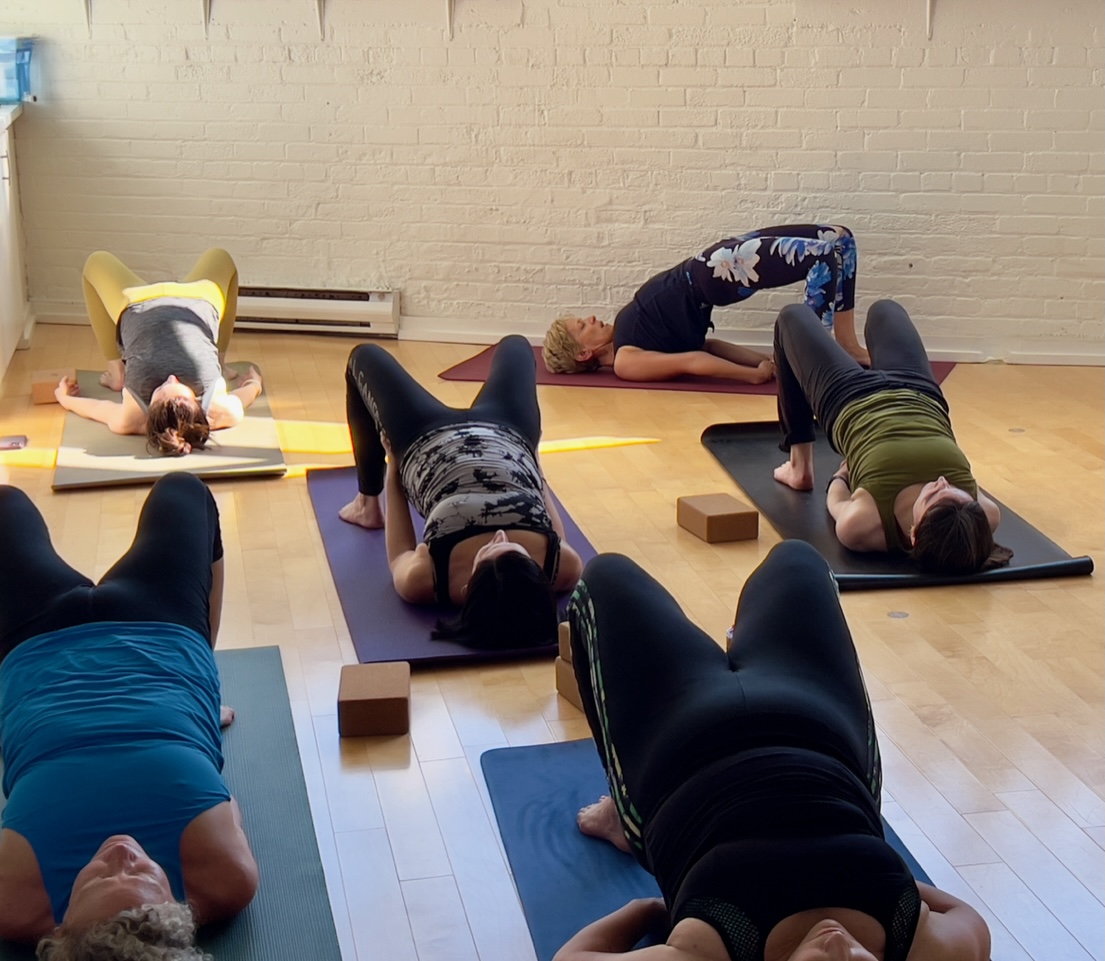
Backbending Benefits for Body and Brain
Backbending is a fundamental aspect of yoga that offers profound benefits for both physical and mental health. As we arch our backs and open our hearts, we engage in a practice that not only enhances flexibility and strength but also promotes the release of essential fluids that nourish the spine and brain. This article explores the holistic advantages of backbending, particularly its impact on spinal health and brain function.
The Physical Benefits of Backbending
- Enhancing Spinal Flexibility: Backbends stretch the muscles surrounding the spine, fostering increased flexibility. This is essential for maintaining a healthy range of motion and preventing stiffness, especially in a world where many people spend hours sitting at desks.
- Strengthening Core Muscles: These poses engage the core muscles, particularly the erector spinae, which are crucial for supporting proper posture. A strong core helps maintain spinal alignment, reducing the risk of injury and discomfort.
- Promoting Better Posture: Regular practice of backbending can counteract the detrimental effects of slouching. By opening the chest and shoulders, backbends encourage an upright posture, which is vital for overall spinal health.
- Relieving Tension: Backbends are effective for releasing tension that accumulates in the upper back, shoulders, and neck. By creating space in these areas, practitioners often experience a significant reduction in stress and discomfort.
The Role of Essential Fluids
One of the less discussed but crucial benefits of backbending is its impact on the release and circulation of essential fluids within the body, particularly those associated with spinal health.
- Cerebrospinal Fluid (CSF): Backbending can enhance the flow of cerebrospinal fluid, which surrounds the brain and spinal cord. This fluid serves multiple functions, including cushioning the brain, removing waste products, and delivering nutrients. The dynamic movement of backbends promotes circulation, supporting neurological health and cognitive function.
- Synovial Fluid: This lubricating fluid is found in the joints, including the facet joints of the spine. Backbends encourage joint mobility, stimulating the production and circulation of synovial fluid. This lubrication is essential for reducing friction, preventing wear and tear, and maintaining healthy joints.
- Hydration of Intervertebral Discs: The intervertebral discs, which act as shock absorbers between the vertebrae, rely on movement for hydration and nutrient exchange. Backbends create a pumping action that draws fluid into the discs, helping to maintain their elasticity and health.
- Enhanced Blood Flow: The arching motion during backbends increases blood circulation in the spinal region. This improved blood flow delivers oxygen and nutrients to spinal tissues while assisting in the removal of metabolic waste, which is crucial for tissue repair and overall vitality.
Mental and Emotional Benefits
The benefits of backbending extend beyond the physical realm, positively impacting mental and emotional well-being.
- Elevated Mood: The release of endorphins and serotonin during backbending can lead to improved mood and reduced feelings of anxiety and depression. The heart-opening nature of these poses encourages emotional release, fostering a sense of openness and vulnerability.
- Increased Energy and Focus: Backbends are invigorating, often resulting in a boost in energy levels. This increased vitality can enhance focus and concentration, making it easier to engage in daily tasks with a clear mind.
- Mindfulness and Presence: The physical challenge of backbending encourages practitioners to be present in the moment. This mindfulness can lead to a greater sense of awareness and connection to both the body and the breath.
Conclusion
Backbending in yoga is a powerful practice that offers a multitude of benefits for overall well-being. By enhancing spinal flexibility, strengthening core muscles, and promoting better posture, practitioners lay the groundwork for a healthier spine. Coupled with the stimulation and release of essential fluids such as cerebrospinal fluid, synovial fluid, and improved blood circulation, backbending supports not only spinal health but also brain function.
As we engage in this transformative practice, we not only nurture their physical bodies but also cultivate mental clarity and emotional resilience. Whether you are a seasoned yogi or a beginner, incorporating backbending into your routine can be a significant step toward achieving holistic well-being.
New to Yoga and want to learn backbending? Join our Yoga Basics course, a 4 week introduction to Yoga.
Are you a seasoned yoga practitioner who want to delve deeper into backbends? The best place to do this in regularly scheduled classes is Mysore classes
